
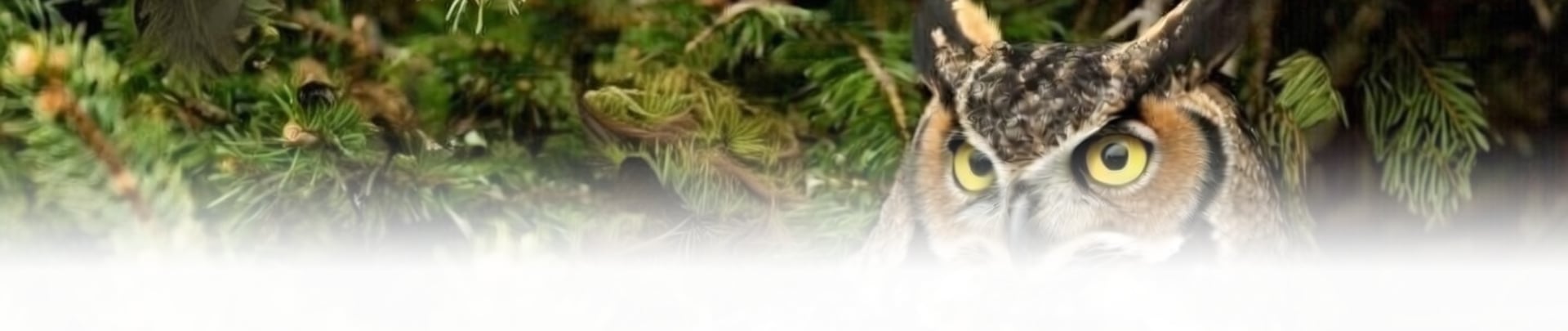
Behind the Scenes of Owl Pellets
Collect owl pellets for your local school in the Monterey Peninsula
Carmel Owls Documentary Team
2/24/20261 min read
The Life of an Owl Pellet
Call to Action
If you find owl pellets in your neighborhood, please collect them carefully in a Ziploc bag. Owls regurgitate them daily. Once you've got 10 or so, please contact us.
Carmel Owls will collect and pass them on to local Monterey Peninsula schools. Owl pellets are highly prized for dissection compared to the dreaded formaldehyde frogs in biology class.
One owl pellet is suitable for examination by two students and must be sterilized prior to dissection.

Narration
Owls usually consume their prey whole or in sizable chunks. However, materials such as fur, bones, teeth, and feathers cannot be broken down during digestion.
Like most birds, owls have a two-part stomach that separates digestible nutrients from indigestible matter. The first section, called the proventriculus, releases digestive enzymes that liquefy the soft, usable tissues of the meal. The partially processed food then moves into the gizzard, a muscular chamber that compresses and further breaks apart the contents.
Nutrients are passed on to the intestines for absorption, while the remaining fur, bones, and other hard materials are formed into a compact pellet. After several hours, the owl regurgitates this pellet.
Most owls produce about one pellet per day and often expel them from the same perch or roost, which is why multiple pellets are frequently found collected beneath a single tree.